
Aluminum UBC Scrap Price in India: Latest Rates & Expert Calculator [2025]
Categories
Recent Posts
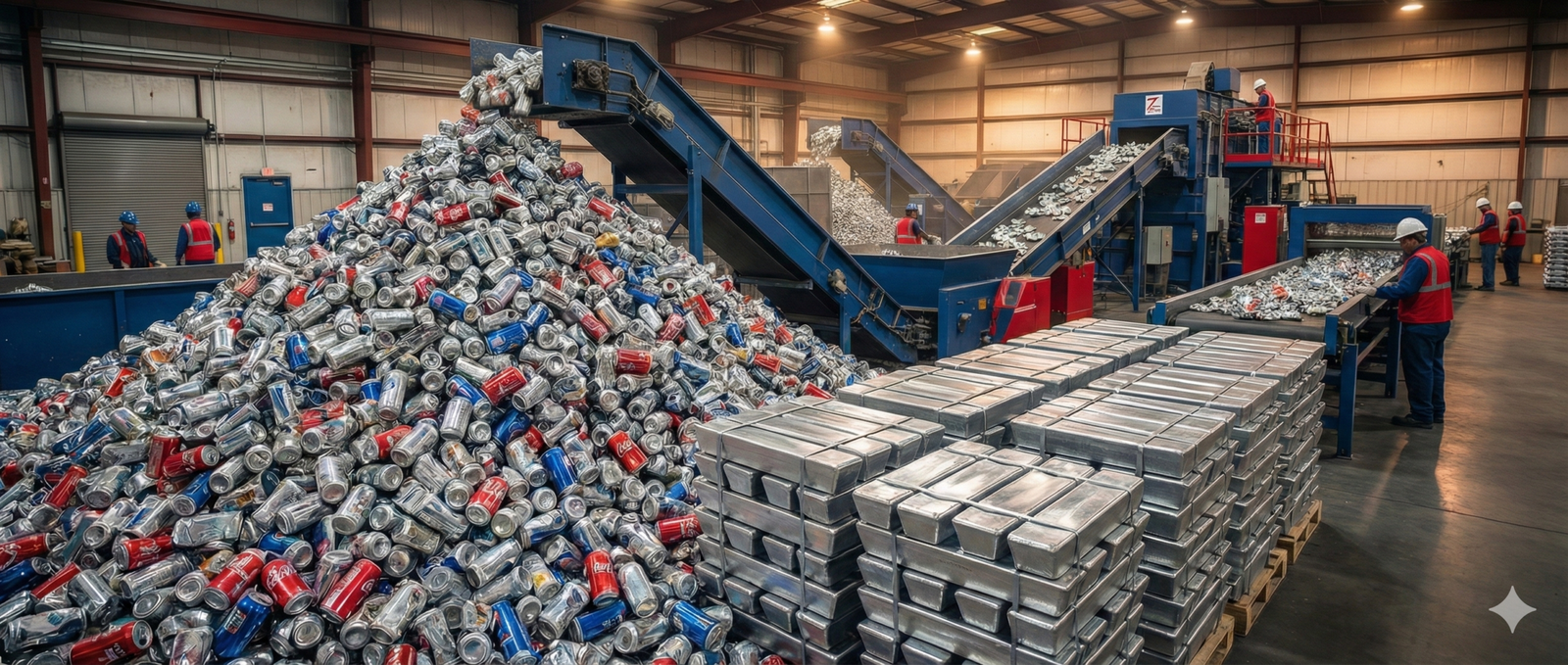
Aluminum UBC Scrap Price in India: Latest Rates & Expert Calculator [2025]
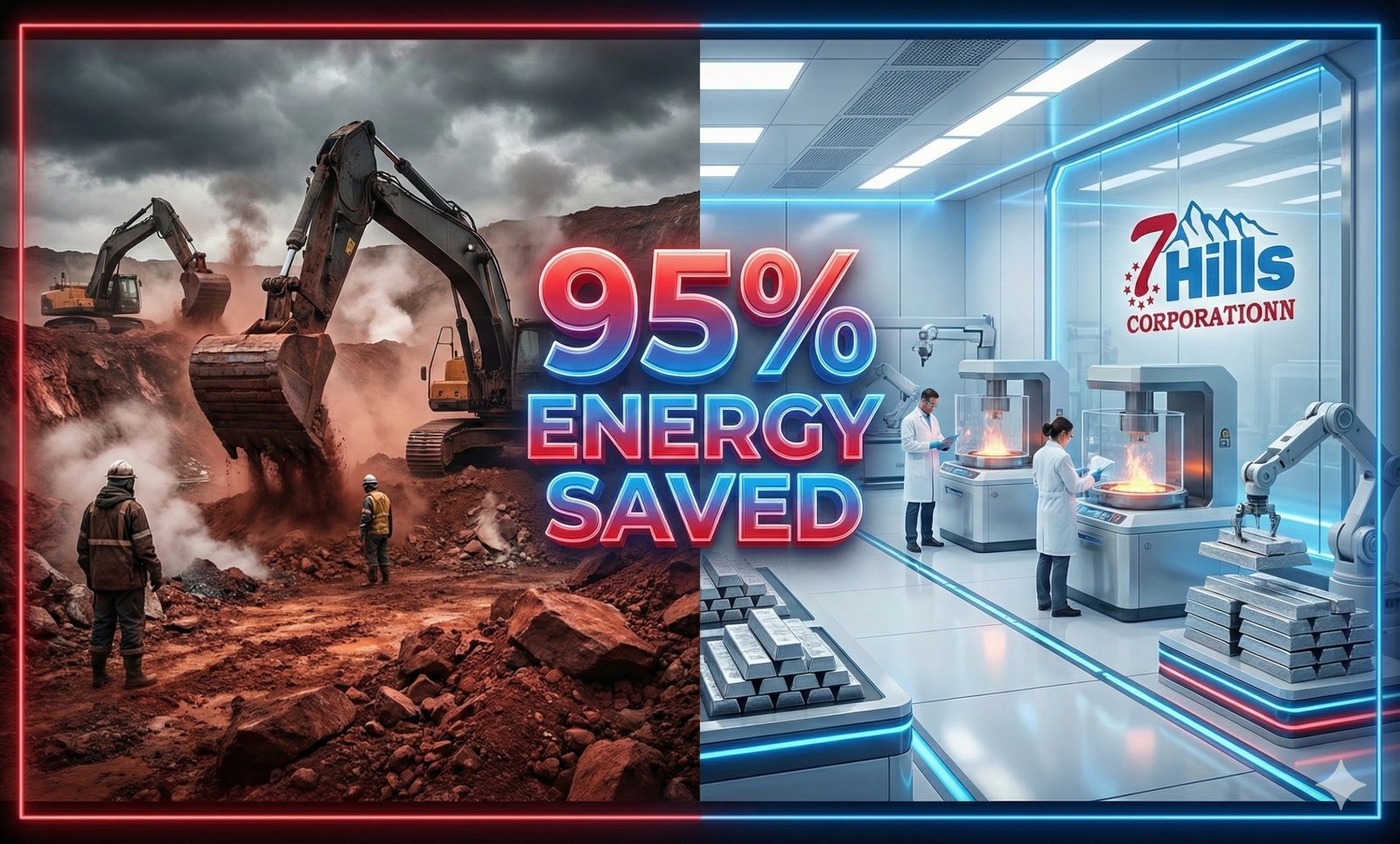
Aluminum UBC scrap price in India fluctuates significantly, with current rates showing Aluminum Wire Scrap at ₹249 per kilogram in Delhi as of November 2025. Actually, this recyclable material has become increasingly valuable in the metal recycling industry, especially considering that producing aluminum from UBC scrap saves up to 95% of the energy compared to primary production from bauxite.
When looking at the broader scrap metal price landscape, we’ve noticed interesting variations across different materials. For instance, Copper Wire Scrap commands ₹889 per kilogram, while Brass Huny Scrap sells for approximately ₹628 per kilogram in Delhi. Furthermore, aluminum scrap prices have been experiencing volatility due to raw material shortages and tight supply, with imported aluminum scrap prices fluctuating by up to $15-20 per ton week-over-week. Importantly, domestic Tense scrap is currently valued at ₹186,000 per ton in Delhi-NCR.
In this comprehensive guide, we’ll walk you through everything you need to know about aluminum UBC scrap prices in India, from understanding what makes UBC scrap valuable to using our expert calculator to estimate your potential returns when selling.
What is Aluminum UBC Scrap?
Used beverage cans, commonly known as UBC scrap in the recycling industry, represent one of the most valuable aluminum waste streams in India. Let me explain what makes this material so special and sought-after in the recycling market.
Definition and full form of UBC
UBC stands for Used Beverage Cans – the empty aluminum containers that once held our sodas, beers, energy drinks, and other beverages. According to the Institute of Scrap Recycling Industries (ISRI), aluminum UBC scrap is categorized under the code “TALC” in their 2020 Scrap Specifications Circular. These cans primarily consist of 3000 series aluminum alloys for the can body and 5000 series alloys for the lids.
Quality UBC scrap must be free from excessive dirt, liquid, other metals, plastic bottles, foil, paper, glass, and non-metallic items. Most recyclers classify UBC into specific grades like TALC (Post-Consumer Aluminum Can Scrap), Talcred (Shredded UBC), Taldack (Densified UBC), and Taldon (Baled UBC).
Why UBC scrap is valuable in India
The value of aluminum UBC scrap stems from several key factors. First, recycling aluminum requires only 5% of the energy needed to produce new aluminum from bauxite ore. This remarkable energy efficiency makes UBC recycling economically attractive and environmentally beneficial.
Moreover, aluminum can be recycled repeatedly without degrading in quality. This unique property ensures UBC maintains its value through multiple recycling cycles, creating a sustainable material loop.
Additionally, India’s position as one of the largest aluminum consumers globally has contributed to a thriving UBC scrap market. The country’s expanding recycling industry is driven by increased environmental awareness and the economic advantages of recycling.
Difference between UBC and other aluminum scrap
What sets UBC apart from other aluminum scrap types is its consistency and purity. Unlike mixed aluminum scrap, UBC offers:
- Standardized alloy composition that makes processing easier
- Higher metal recovery rates during recycling
- Lower contamination levels compared to mixed scrap streams
- Uniform physical characteristics that simplify recycling processes
Consequently, UBC scrap often commands premium prices compared to other aluminum scrap grades in the Indian market. Its widespread preference is primarily driven by high aluminum purity, minimal contamination, and superior recyclability.
Latest Aluminum UBC Scrap Price in India (2025)
The aluminum recycling market presents a dynamic landscape in India. Initially tracking raw aluminum prices, UBC scrap has carved its own pricing trajectory based on collection efficiency and quality.
Current aluminum UBC scrap price per kg
As of December 2025, the aluminum UBC scrap price per kg in India ranges from ₹135 to ₹193. Premium quality UBC scrap with 99% purity commands higher rates of approximately ₹185-195 per kg. Nevertheless, standard UBC scrap typically sells for ₹150-160 per kg across most Indian markets. The price variations primarily depend on purity levels—with 95% purity UBC selling at around ₹140 per kg.
Aluminum UBC scrap price per ton in India
In the wholesale market, aluminum UBC scrap prices per ton currently hover between ₹150,000-₹160,000. This represents a slight increase from January 2024 rates, when the average price was approximately ₹160,000 per ton. For international comparison, UBC scrap trades at around $1,250 per ton in European markets, which translates to roughly ₹104,000 per ton at current exchange rates.
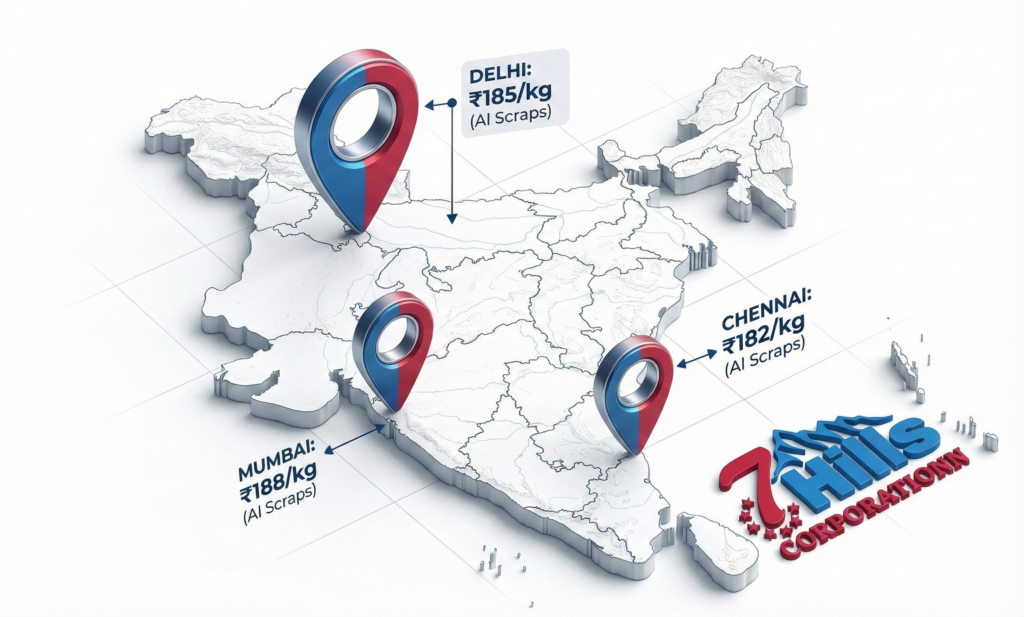
City-wise price comparison: Delhi, Mumbai, Chennai
Delhi: Aluminum UBC scrap sells for ₹170-185 per kgMumbai: Prices range from ₹150-170 per kgChennai: Current rates stand at ₹160-175 per kg
Industrial hubs in western and southern India generally offer 3-7% higher prices than other regions. Cities like Mumbai, Pune, Ahmedabad, Chennai, and Bangalore typically provide better rates owing to their concentration of aluminum-consuming industries.
Factors affecting daily price changes
Several elements influence UBC scrap price fluctuations:
- Global aluminum price movements on the London Metal Exchange
- Supply chain disruptions and material shortages
- Import-export regulations and duties
- Seasonal demand variations from automotive manufacturers
- Transportation costs between collection points and recycling centers
How it compares to other scrap metal prices
Compared to other recyclables, UBC maintains a premium position. Currently, aluminum wire scrap fetches ₹266-290 per kg, whereas aluminum utensil scrap commands ₹224-244 per kg. In contrast, copper scrap prices remain substantially higher at approximately ₹736 per kg. Notably, UBC scrap prices typically fall 5-15% below prices in developed markets like the US and EU, yet remain 10-20% higher than in Southeast Asian markets.
How UBC Scrap is Recycled in India
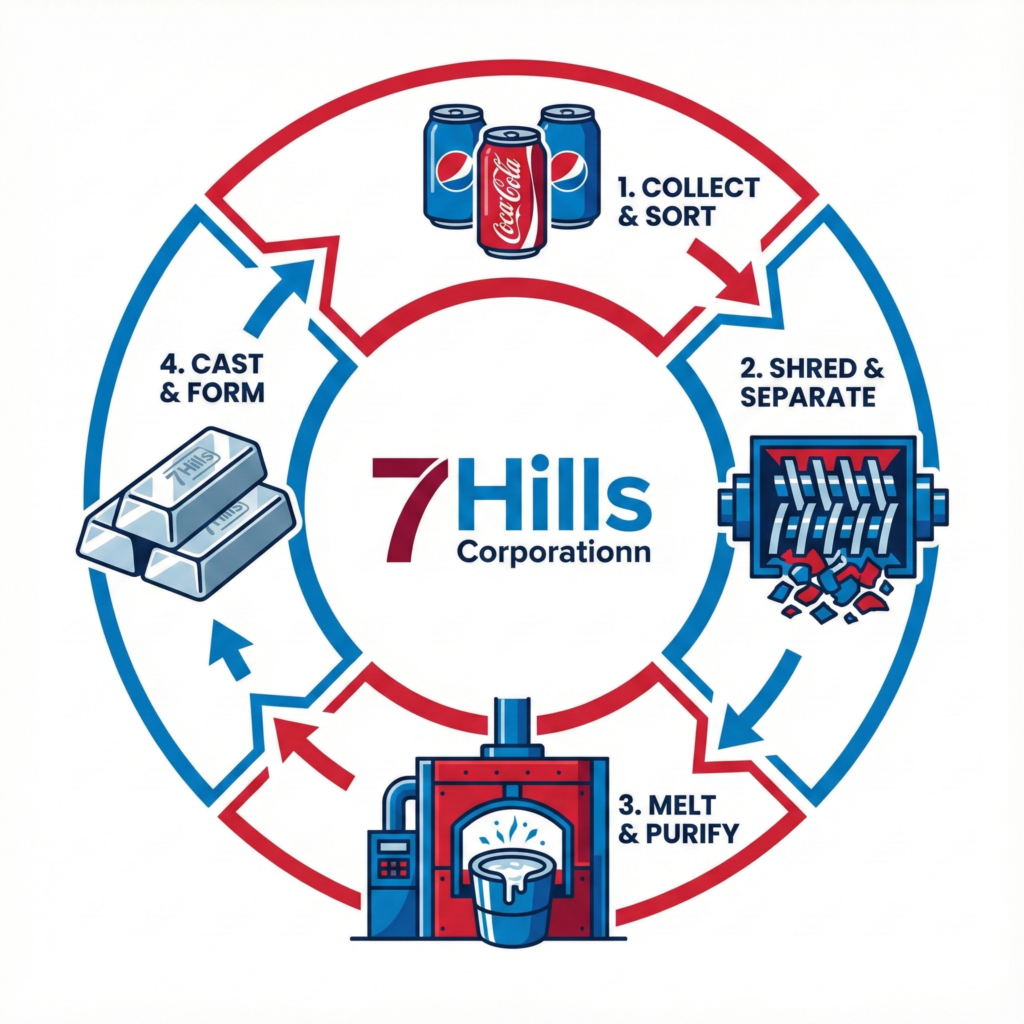
The intricate journey of aluminum UBC scrap through India’s recycling pipeline involves several specialized stages that maximize recovery and minimize waste.
Collection and sorting process
In India, approximately 70-80% of aluminum scrap sorting still occurs manually. The collection phase faces significant challenges including fragmented supply chains and inconsistent quality standards, although recent initiatives like the Swachh Bharat Mission are gradually improving collection efficiency. Post-consumer waste including UBCs accounts for roughly 40% of collected aluminum scrap.
Cleaning and decoating
Before melting, UBC scrap undergoes crucial pre-processing steps. The decoating process removes paints, lacquers, and coatings through thermal or mechanical methods. This thermal treatment occurs in a controlled low-oxygen atmosphere, essentially stripping contaminants like paper, oil, links, paint, and plastic from the scrap surface. Without proper decoating, metal loss increases substantially during melting.
Melting and refining
Subsequently, the prepared scrap is charged into furnaces and heated to 700-800°C. Fluxing agents like AlF6, CaF2, and Na2SiF6 are added to remove impurities and protect the melt from oxidation. The degassing stage removes dissolved hydrogen to prevent porosity in final products.
Casting and reuse in manufacturing
Finally, the purified molten aluminum is cast into ingots, billets, or other forms. Remarkably, recycling aluminum requires merely 5% of the energy needed for primary production. The sector’s average energy efficiency has improved by approximately 25% over the past decade.
UBC Scrap Price Calculator: How to Estimate Your Returns
Calculating potential returns from your aluminum UBC scrap requires understanding several key factors that influence final payouts. Specifically, having a reliable calculator can help you make informed decisions before selling.
How the calculator works
Most UBC scrap calculators estimate value by multiplying your material weight by current market prices, then deducting processing fees that typically range from 10-25%. These tools use commodity market data with automatic conversions between weight units, making it simple to calculate potential returns for various recyclable metals.
Input fields: weight, location, purity
For accurate estimates, quality calculators require three primary inputs:
- Weight: Enter the quantity in kilograms or tons
- Location: Important since prices vary by city (Mumbai offers 3-7% higher than other regions [])
- Purity: Critical as 99% pure UBC fetches around ₹200/kg versus standard grades
Example calculation for 100 kg
If you have 100 kg of clean, sorted UBC with 99% purity in Mumbai:
- Base value: 100 kg × ₹200/kg = ₹20,000
- After typical processing fee (15%): ₹20,000 – ₹3,000 = ₹17,000
Tips to get the best price when selling
First, ensure proper segregation—separate different metals since mixed scrap fetches lower prices. Second, clean your scrap thoroughly as cleanliness increases value by 30-50%. Third, consider timing your sales during high-demand periods for maximum returns. Indeed, comparing offers from multiple dealers instead of settling for the first quote often yields better results.
Conclusion
Aluminum UBC scrap remains a valuable commodity in India’s recycling market. Throughout this guide, we’ve seen how prices fluctuate based on location, purity, and market conditions, with current rates ranging from ₹135 to ₹193 per kilogram. Undoubtedly, this represents a significant opportunity for both individuals and businesses looking to monetize their waste aluminum.
The impressive energy savings of up to 95% compared to primary production makes UBC recycling not just economically viable but also environmentally responsible. After all, aluminum’s unique ability to maintain quality through multiple recycling cycles ensures its lasting value in the circular economy.
Regional variations across major cities highlight the importance of location when selling your scrap. Cities like Mumbai and Chennai typically offer better rates than other areas due to their industrial concentration. Meanwhile, global aluminum prices, supply chain factors, and seasonal demand all play crucial roles in daily price fluctuations.
Before selling your UBC scrap, remember that proper preparation significantly impacts your returns. Accordingly, thorough cleaning, sorting, and comparing offers from multiple dealers can increase your earnings by 30-50%. Additionally, timing your sales during high-demand periods might fetch you premium prices.
The recycling journey—from collection through sorting, cleaning, melting, and finally recasting—transforms discarded beverage cans into valuable raw materials for manufacturing. This process not only conserves resources but also supports India’s growing recycling industry.
Whether you’re an individual collector or a business with large quantities of aluminum waste, understanding current market rates and using calculation tools helps maximize your returns. The next time you consider discarding those empty beverage cans, think of them as small but valuable assets that benefit both your wallet and the environment.